
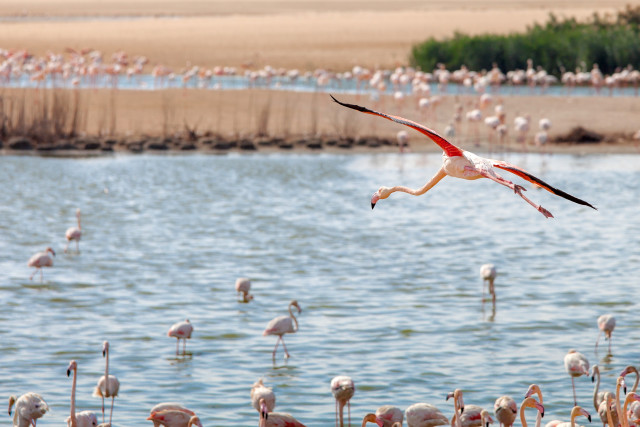
From the vast plains of the Serengeti to the icy waters of the Arctic, these extraordinary creatures defy all odds as they travel thousands of miles in search of food, mates, and better habitats.
Brace yourself for the Great Wildebeest Migration, the Monarch Butterfly Migration, the Arctic Tern Migration, and many more incredible journeys that will leave you in awe of nature’s wonders.
The Great Wildebeest Migration in Serengeti, Tanzania
You won’t believe the incredible scale of the Great Wildebeest Migration in Serengeti, Tanzania. Every year, over 1.5 million wildebeests, along with hundreds of thousands of zebras and gazelles, embark on a treacherous journey in search of greener pastures.
This awe-inspiring spectacle not only showcases the resilience and adaptability of these animals but also highlights the importance of wildlife conservation efforts. The migration has a profound impact on the local communities living in the Serengeti.
It attracts tourists from all over the world, providing a significant boost to the economy through tourism revenue. Additionally, it has created employment opportunities for the locals, as they work in the tourism industry and participate in conservation initiatives.
The Great Wildebeest Migration is truly a remarkable natural phenomenon with far-reaching effects on both the wildlife and the people of Tanzania.
The Monarch Butterfly Migration in North America
The Monarch Butterfly Migration is a remarkable phenomenon that occurs in North America. Every year, millions of monarch butterflies travel thousands of miles from Canada and the United States to Mexico, in search of warmer temperatures and abundant food sources.
However, the monarch butterfly population has been rapidly declining in recent years due to various factors, including habitat loss and the impact of climate change on their migration patterns. Monarch butterfly conservation efforts have been implemented to help protect and restore their habitats, such as planting milkweed, which is essential for their survival.
Climate change poses a significant threat to the monarch butterfly migration, as rising temperatures and unpredictable weather patterns can disrupt their journey and disrupt the availability of food sources. We must continue to support conservation efforts and address climate change to ensure the survival of these beautiful creatures.
The Arctic Tern Migration From the Arctic to Antarctica
The Arctic tern migration is an incredible journey that takes you from the Arctic to Antarctica, covering over 44,000 miles. During this awe-inspiring journey, you face numerous challenges.
One of the biggest challenges is the long distance you have to cover, which requires immense stamina and energy. You also face harsh weather conditions, such as strong winds and freezing temperatures, which can make flying difficult.
But perhaps the most significant challenge you face is the impact of climate change. With rising temperatures and melting ice, your breeding grounds and food sources are being affected. This disrupts your entire migration pattern and can lead to a decline in your population.
Climate change is a serious threat to your incredible journey, and efforts must be made to mitigate its effects to ensure your survival.
The Humpback Whale Migration in the Pacific Ocean
During the humpback whale migration in the Pacific Ocean, you’ll witness magnificent displays of breaching and tail-slapping as these majestic creatures make their way to warmer waters.
Humpback whales are known for their unique breeding behavior, where males compete for the attention of females through elaborate songs and acrobatic displays. The males sing complex songs that can last for hours, attracting females and establishing their dominance.
However, climate change is now impacting humpback whale migration patterns. Warmer waters and changes in food availability are causing shifts in their traditional migratory routes. Some humpback whales are traveling shorter distances or even staying in one area year-round.
This disruption to their migration can have serious consequences for their population, as it can affect their ability to find food, mate, and raise their young.
It’s crucial that we continue to study and monitor these magnificent creatures to better understand and protect them in the face of climate change.
The Caribou Migration in the Arctic Tundra
As temperatures drop in the Arctic tundra, you see the caribou begin their annual migration to find food and escape the harsh winter conditions. It’s a remarkable sight, witnessing these majestic creatures embark on a long journey in search of suitable habitat.
However, their migration patterns are being threatened by habitat loss and the effects of climate change. With the melting of the Arctic ice and changing weather patterns, the caribou face challenges in finding enough food and suitable areas for calving. The loss of their natural habitats forces them to travel longer distances, putting additional stress on their already strenuous migration.
Climate change also disrupts the availability of food sources, affecting the overall health and survival of the caribou population. It’s crucial that we address these issues and take measures to protect and preserve the caribou’s habitat to ensure the success of their migration.
The Leatherback Sea Turtle Migration Across the Atlantic Ocean
When you witness the leatherback sea turtle migration across the Atlantic Ocean, you’ll be amazed by the incredible distances these creatures travel to lay their eggs on remote beaches.
Leatherback conservation efforts are crucial in protecting these remarkable animals.
Climate change has had a significant impact on leatherback migration patterns. Rising temperatures are altering the ocean currents and affecting the availability of their main food source, jellyfish.
As a result, leatherbacks are being forced to travel longer distances in search of suitable feeding grounds, which puts them at a higher risk of exhaustion and predation.
Additionally, warmer sand temperatures can influence the sex ratio of hatchlings, potentially leading to imbalances in future generations.
It is vital that we continue to monitor and mitigate the effects of climate change to ensure the survival of leatherback sea turtles and their awe-inspiring migrations.
Conclusion
In conclusion, you have explored the extraordinary animal migrations that occur around the world.
From the vast herds of wildebeest crossing the Serengeti plains to the majestic humpback whales journeying through the Pacific Ocean, these migrations showcase the resilience and adaptability of these incredible creatures.
Whether it is the delicate monarch butterflies traveling across North America or the leatherback sea turtles crossing the vast Atlantic Ocean, these migrations remind us of the beauty and wonder of the natural world.
So next time you witness one of these amazing journeys, take a moment to appreciate the remarkable feats of these animals.